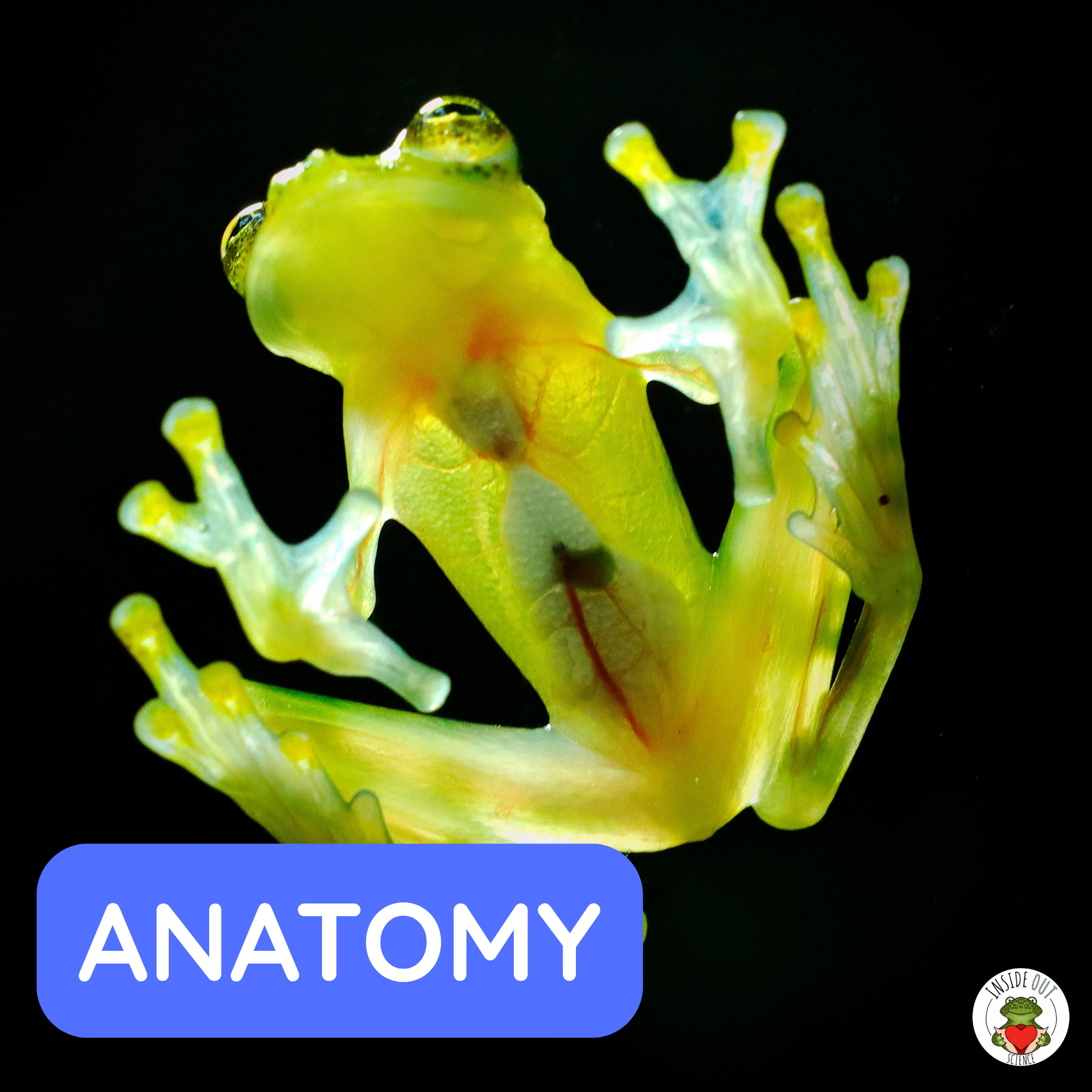
Hands-On Anatomy Without the Mess: Paper Dissections for Every Classroom

Hands-On Anatomy Without the Mess: Paper Dissections for Every Classroom

I know… I’ve been where you are. You want to give your students the excitement of a real dissection — minus the budget headaches, chemical smells, and risk of finding a stray specimen part under a desk three days later thanks to the chaos of dissection days. That’s where hands-on paper dissection models come in. Dissection can be hard just in and of itself, and I get it… and then there’s all the other stuff…

  • Maybe your school can’t afford enough specimens for every student, or even enough for you to dissect in groups.
  • Maybe there’s a few kids in your class who refuse to or can’t participate for personal or religious reasons.
  • Or maybe you’re a homeschool parent who’d love to bring real science into your house without wearing all the hazmat gear and disposal nightmares.

It’s for these reasons and more that Inside Out Science continues to design paper dissection models for every learner. The hands-on, anatomically accurate experience you crave, with the ability to be used anytime, anywhere. Now you can give your students an authentic, interactive anatomy experience without the mess, expense, or time constraints of traditional labs.


What’s Inside a Paper Dissection Model Lesson

What do you get with your purchase of one of Inside Out’s hands-on paper dissection models? Great question! Each lesson comes with everything below and is created to mimic a real dissection process from start to finish – all the way down to how the organs are layered and how you would cut open a real specimen. IOS models allow students to learn the internal and external anatomy of an organism through:

  • Student-friendly readings that explain structure and function or each organ within the organism in depth

  • Differentiated graphic organizers that are both blank and prefilled
  • Black-line and color templates for each paper model, perfect for differentiating by ability level and helping out your kiddos with executive function deficits

  • A guided PowerPoint presentation that walks students step-by-step through coloring, cutting out, and assembling their model

  • Extension questions that push critical thinking and bring in real-world connections

The best part? Each model comes with organs that apply to both male and female organisms, so you can have your students choose which they’d like to assemble. Every model uses the same organ colors across species so students can instantly see anatomical relationships between organisms, creating a true comparative anatomy experience. And since the models are reusable, students can “dissect” them over and over again without a single scalpel blade.

Are dissection models right for your classroom? Come find out! www.insideoutsci.com

Use them for:

  • Dissection-free exploration for those who opt out

  • Pre-dissection preparation so students know where to make incisions and what they’re looking at throughout their entire experience

  • Summative assessments for anatomy units in class or at home


Why Teachers (and Students) Love Them

Mess-Free Learning

Dissections are one of those milestone activities that all students either look forward to or dread when they hit middle school; however, they can be a lot. From the smell of preservatives to the scramble for goggles and gloves, making sure there’s only one pair of hands in a tray at a time, to trying to figure out what you’re actually looking at – there’s plenty that can distract from the actual learning.

With hands-on paper dissection models, the focus stays on anatomy—not cleanup. And when dissection day finally arrives, your kids know what they are looking at and where to find it. One middle school teacher said that after switching to paper models for prep, “there were no groans, no wrinkled noses, and definitely no ‘flying organs.’ Just kids leaning over their desks, debating which part of the circulatory system went where.”

Friendly to Small Budgets

Specimens, gloves, replacement blades, trays – it all adds up quickly. Imagine a world where you buy a specimen ONCE and reuse it year after year. That’s the beauty of paper models – they only require a printer, some paper, glue and scissors – standard classroom supplies. You can even laminate models before assembly and reuse year after year, saving hundreds over time.

A homeschool parent once said she used a model as part of her science portfolio and it doubled as a beautiful work sample to share with her district contact. “It looked so good,” she laughed, “it almost felt like cheating.”

 Environmentally Conscious

How about not having to harm any animals, avoid the chemicals, and the subsequent disposal of all the byproducts of dissection? When dissection isn’t always necessary, paper models allow you to bypass the animal harvesting and skip the preservatives entirely – no formalin, no phenol, no chemical waste. Finished models can be recycled, so your “lab waste” is just a stack of colorful paper.

 Anatomically Accurate

These aren’t just arts-and-crafts projects. They’re anatomically correct, meticulously researched models, complete with organs layered and oriented exactly as they are in the real organism.

That accuracy means students can compare multiple species and see how structures evolve across different forms of life. Boom. Comparative anatomy at your fingertips.

 Flexible for Any Teaching Situation

Whether you’re using them before a live dissection, as an alternative for students who opt out, or in place of dissection altogether, these models adapt to your needs.

One teacher said she used them with her 7th and 8th graders before an actual lab:
“By the time we started dissecting, students knew exactly where to cut and what they were seeing. It completely changed the pace and quality of our lab time.”

 Notebook-Friendly

Every model folds up to fit into a folder or a spiral or interactive notebook. No missing pieces. No lost instructions. Just a complete anatomy lesson that students can revisit anytime. Over the years, I often have students reach out telling me that they still have their model from when they were in seventh grade. These things make the time capsule, every time. 


Teacher Tips: Getting the Most Out of Hands-On Paper Dissection Models

📌 Tip #1: Pair the model with real-world visuals.
Even if you’re not doing a live dissection, you can show students photos or videos of the real organism so they can make the connection of the paper version to authentic anatomy.

📌 Tip #2: Make it a team sport.
Have students work in pairs or groups throughout the process. Talking through the build (“Wait, isn’t that the liver?”) helps to cement their understanding.

📌 Tip #3: Use consistent color coding.
Since IOS models keep organ colors/systems consistent across species, creating a classroom “color key” poster can help make systems instantly recognizable.

📌 Tip #4: Add compare-and-contrast challenges.
Have students compare one completed model to another species, analyzing how anatomy changes based on diet, habitat, or evolutionary adaptations.

📌 Tip #5: Turn it into a lab practical review.
This was a staple in my lab practicals to ensure students did the work on the model before the actual dissection. As you set up the real specimen, add a few finished models into the rotation as stations, number different structures, and have students identify each part and its function.

📌 Tip #6: Keep a “dissection notebook.”
Encourage students to collect all models in their interactive notebooks – by year’s end, they’ll have their own personalized anatomy reference guide. How cool is that?!

Are dissection models right for your classroom? Come find out! www.insideoutsci.com

The Result?

Instead of spending days and days just teaching students how to dissect, you can really hone in on what they need to know – connecting form and function.

Students end up talking about organ systems, not just “eww, that’s gross.” One teacher shared that listening to her students debate the function of a certain organ was “one of those rare classroom moments where you just stand back and smile.”

With paper dissection models, you can teach any organism – from earthworms to more complex vertebrates – and give every student a chance to explore biology in a way that’s humane, budget-friendly, and easy on the planet.


Ready to Bring Mess-Free Dissection Into Your Classroom?

Click below to browse my collection of hands-on paper dissection models and find the perfect fit for your students. Whether you teach in a traditional classroom, homeschool, or run a science club, these models make hands-on anatomy possible anywhere—no gloves required.

The best lessons come from the inside out... www.insideoutsci.com
Dissection Models: Hands-On Ways to Bring Life Science to Life

Dissection Models: Hands-On Ways to Bring Life Science to Life

Learning about living things should feel just like the things you are studying… “alive”. Activities should be hands-on, not just flat on a worksheet, and they should always aim to demonstrate the interconnectedness of science. Inside Out’s 3-D paper dissection models help students to connect the living thing to the concept, allowing students to explore anatomy and biology with an interactive, eco-friendly twist. They’re mess-free, reusable, and a fantastic tool for making abstract concepts tangible. All this to say, dissection models aren’t just for your classification and human body units! Here’s how you can incorporate paper models into all seven major life science topics with three easy to implement activities you can adapt to any grade level. Check it out! 

Scientific Method

Paper models can be used as the “specimen” for a real investigation. Have students practice forming questions, designing experiments, measuring and collecting data using their models. Here’s a few ideas to try:

⭐ Observation Challenge

  • Before learning about an organism, give students an unassembled model and have them write only observations — no guesses — about its parts.

  • Then have students think-pair-share and come up with some inferences about the function of each part based on their observations.
  • Once students build the model, have them compare their results to the reality of the structures. Discuss how careful observation leads to better hypotheses.

⭐ Hypothesis Testing

  • Pose a question like: “Does the size of the organ affect its function?” or “Does the length of the small intestine impact nutrient absorption?”

  • Have students create a hypothesis, then research and present their findings with evidence from the model.

Incorporate dissection models into your everyday life science learning... www.insideoutsci.com

⭐ Variable Swap Investigation

  • Give each group of students a paper model, then pose a question like “does the number of folds in the small intestine impact nutrient absorption?” or “if all the chambers of the heart are the same size, will the heart pump more efficiently?”

  • Have students change one variable on their model to address the question (draw larger/smaller organs, add/delete features, alter connections using sticky notes).

  • Students can write a hypothesis about how the change would affect the function.

  • Each group presents their ideas to the class for a great discussion about how altering one variable at a time affects overall outcomes.
Incorporate dissection models into your everyday life science learning... www.insideoutsci.com

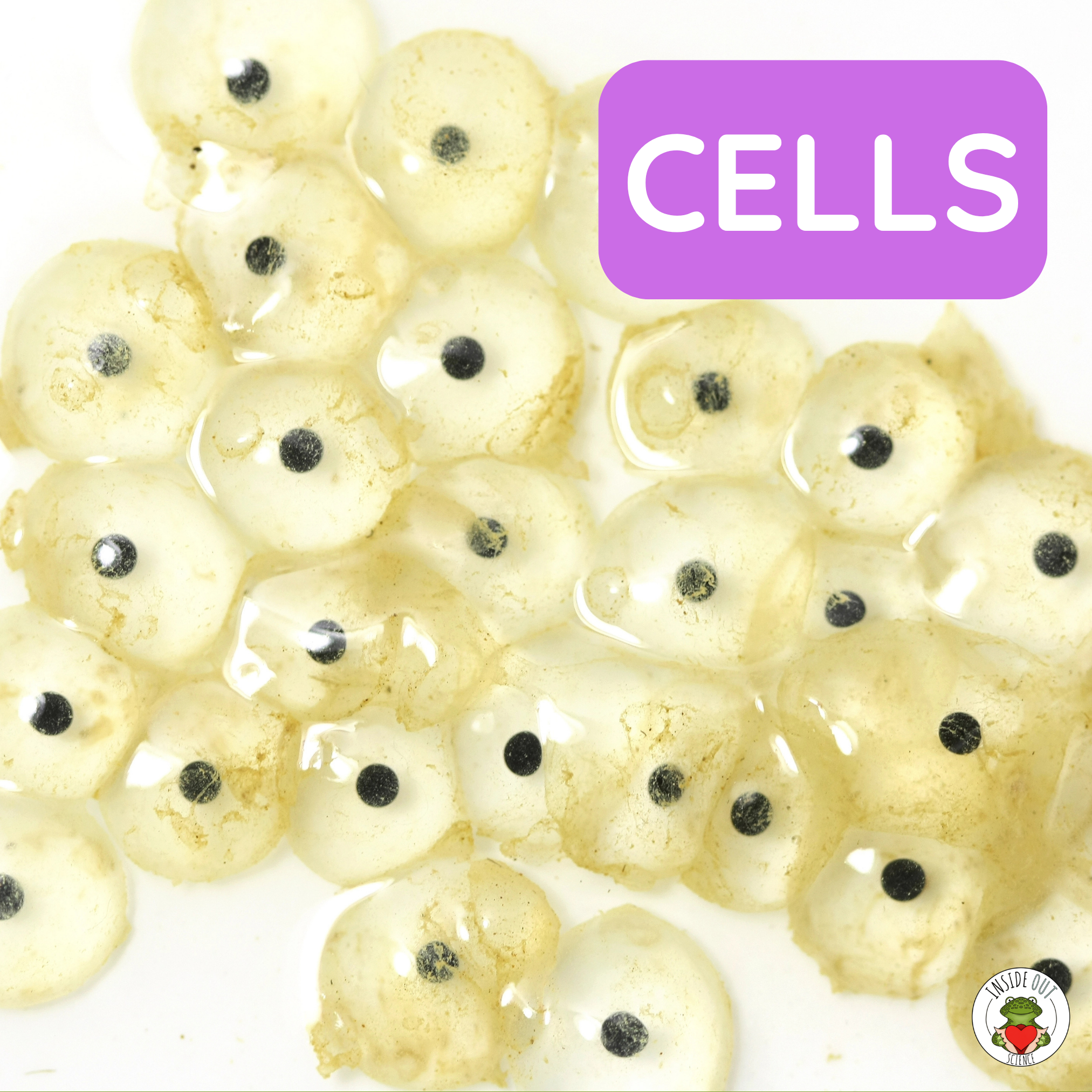
Cells

Paper models show the whole organ or organism, but that doesn’t mean you can’t take it to the cellular level. Try these activities to show how cellular function contributes to the overall function of the entire organism.

⭐ Scale Connection

  • Have students assemble an organism and choose an organ or another structure from their model.

  • Students then draw what they imagine the cells inside the structure might look like, based on the function of the structure.

  • To sum up the activity, you can create microscope stations where your kiddos can observe cells from those structures and compare their hypotheses with the real images. 

⭐ Organelle Match-Up

  • Give each student an organelle to research and have them present how it relates to an organ in the model (e.g., mitochondria as the “powerhouse” for muscle cells in the heart).

⭐ 3-D to 2-D Translation

  • Have students choose and trace an organ from the model, then in a larger diagram, have them draw and label its cellular layers as if creating a textbook diagram.

Human Body

This should be a no-brainer. Paper dissection models are chock full of organs and organ systems and can be the perfect introduction or summation to your human body unit. While the organ systems may not look exactly the same, they’re great for comparative anatomy discussions and for exploring how and why the body is arranged the way it is. 

⭐ System Connections

  • Compare two models and have students notice the similarities and differences between the organ systems. 

  • Then have students map out how certain functions are carried out: for example, respiration in a grasshopper versus respiration in a frog. How are they alike, how are they different? What structures are the same? What structures are different? What path does air take through each?

⭐ “If This Broke…” Scenarios

  • Present a case study to the class where one organ or organ system is not functioning correctly or is injured. 

  • Have students use the model to explain the cascade of effects throughout the body.

⭐ “Life Without…” Creative Writing/Drawing Activity 

  • Assign each group a specific organ of the body, with the assumption they have prior knowledge about its function. 

  • Have students write a short narrative, create a comic strip, or draw and label a diagram explaining what life would be like without it. 
  • Let students share their findings with the class to spark some great discussions. 


Incorporate dissection models into your everyday life science learning... www.insideoutsci.com

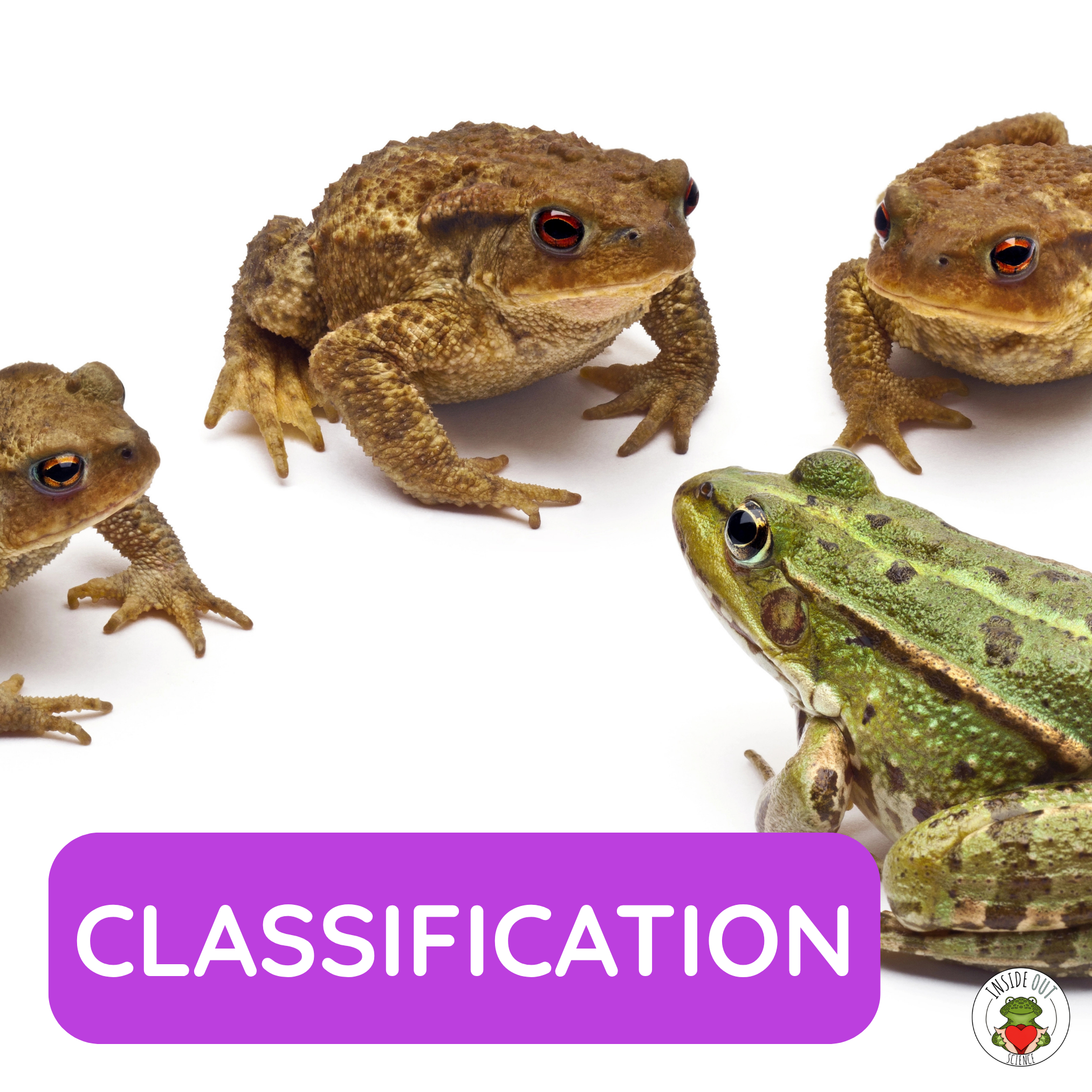
Classification

Having an arsenal of models at your fingertips is perfect for your classification unit. Students can compare organisms from across the kingdoms, across phyla and even within the same taxonomic groups. 

⭐ Sorting Challenge

  • Provide students with several different types of organisms and have. them classify them according to their kingdom, phylum, class, etc.

  • Create a Venn diagram showing which traits each organisms share.

⭐ Traits Detective

  • Provide your kiddos with a few different paper dissection models (frog, fish, mammal, etc.).
  • Prepare a traits checklist with observable features such as: number of limbs, presence of lungs or gills, skin covering (scales, fur, skin), type of heart (2-, 3-, or 4-chambered), reproductive method (egg-laying, live birth), etc. and provide it to your students. 

  • Have students carefully examine their model and record each trait on their checklist. 
  • Once they have their traits, groups can share their findings with the class. Compile their lists on the board.

  • As a whole class (or in small groups), students work to decide which organisms share traits and how they could be grouped.

⭐ Missing Link Debate

  • Give students a fictional “mystery model” with a mash-up of traits and have them figure out where it fits in the classification system.


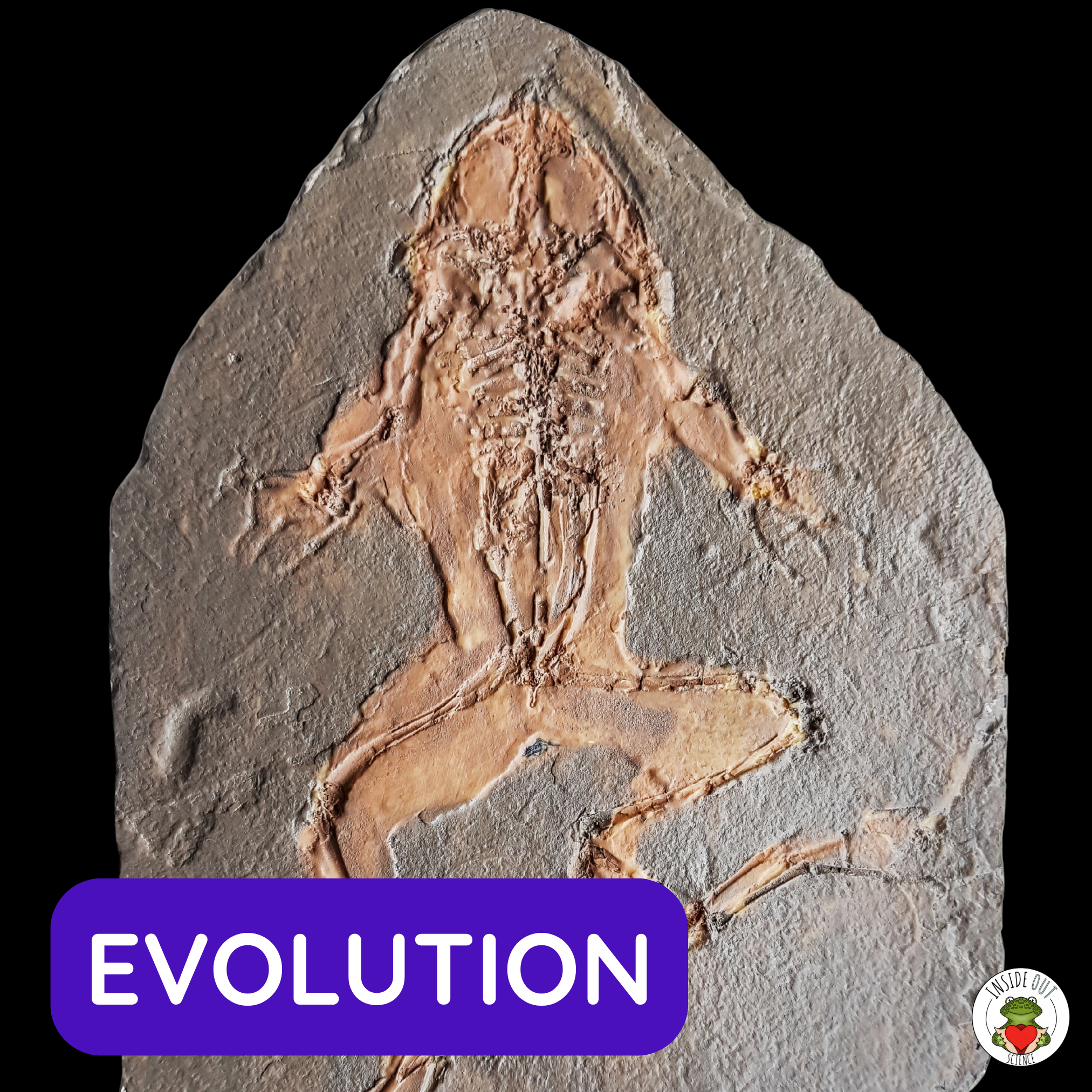
Evolution

Models are great at helping students gather evidence of how mutation and adaptation lead to changes over time, establishing a record of evolutionary history. They’re also perfect for comparing and contrasting structures  which help us to trace back to a common ancestor.  

⭐ Adaptation Hunt

  • This activity has students identify features/adaptations in a model that help the organism survive in its environment. You can choose to guide students in this hunt by selecting a specific function (like movement or reproduction).

  • Once they’ve identified their feature(s), have them compare their findings to other species’ models.

⭐ Fossil Reconstruction

  • Have students begin by selecting a model and have them research a brief timeline of evolution of that organism, looking for the advent of major structures or changes in behavior.

  • At each major junction of evolution, have students hypothesize what the organism looked like at that time and why.

  • Have them recreate the fossil record by drawing what the organism looked like at each major stage.

⭐ Comparative Anatomy Race

  • Review homologous structures (e.g., forelimbs) and then have students use models to compare those structures across various species and discuss their evolutionary significance.

Incorporate dissection models into your everyday life science learning... www.insideoutsci.com

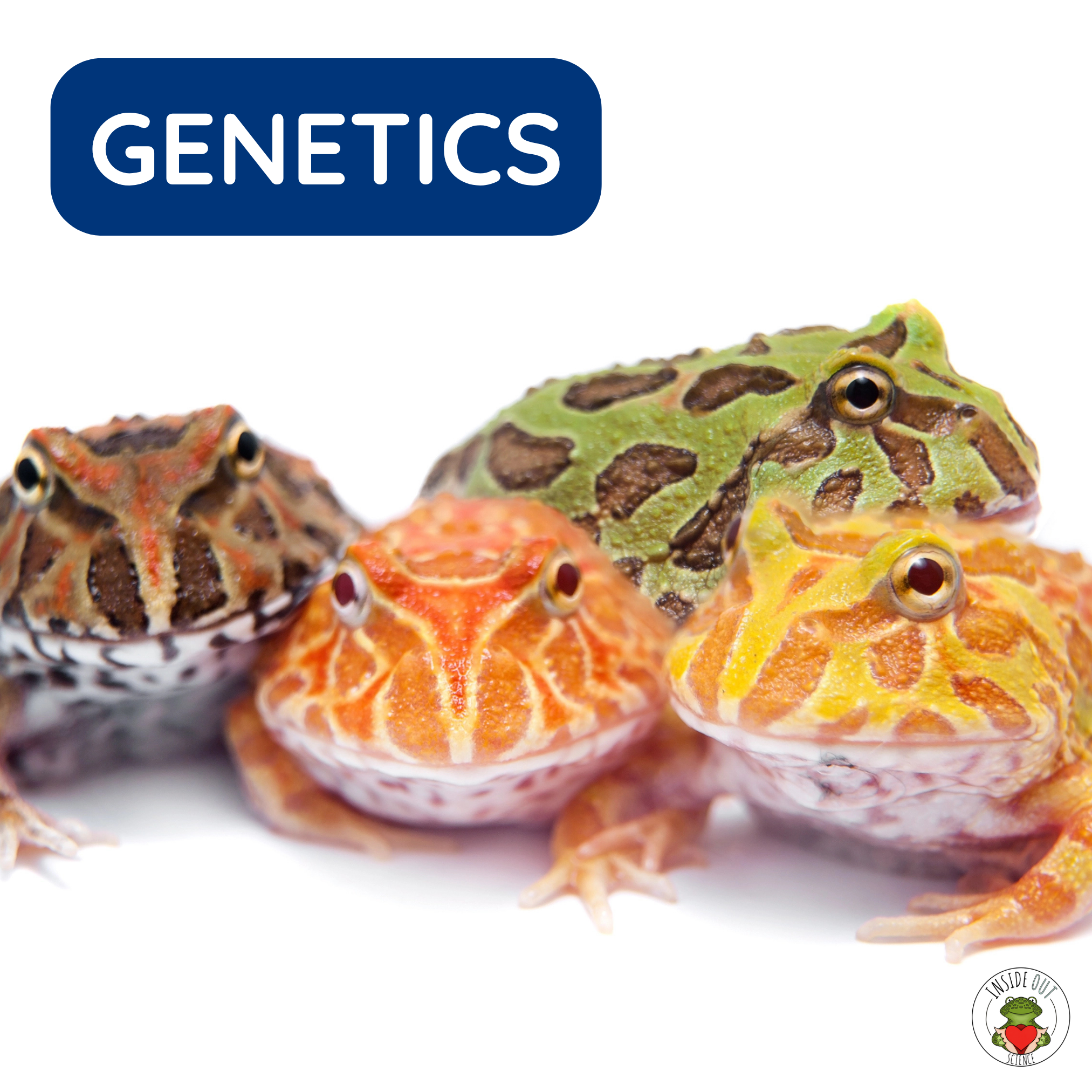
Genetics

You might think that paper models aren’t a great fit for teaching genetics, but they actually make a great tool for developing Punnett Squares or visualizing mutations.  

⭐ Trait Tracking

  • Students choose several traits from their models and create Punnett square problems based on those traits.

  • Have students trade their problems and solve them. 

⭐ Mutation Scenarios

  • Give students a “mutated” version of a model part using a paper alteration. 

  • In groups, students discuss how that mutation would impact the organism’s survival. 

⭐ Build Your Own Hybrid

  • Let students get creative by combining parts from two models to create a hybrid organism.

  • Have them explain the genetic reasoning behind the combination and how the new hybrid will be better suited for its environment. 

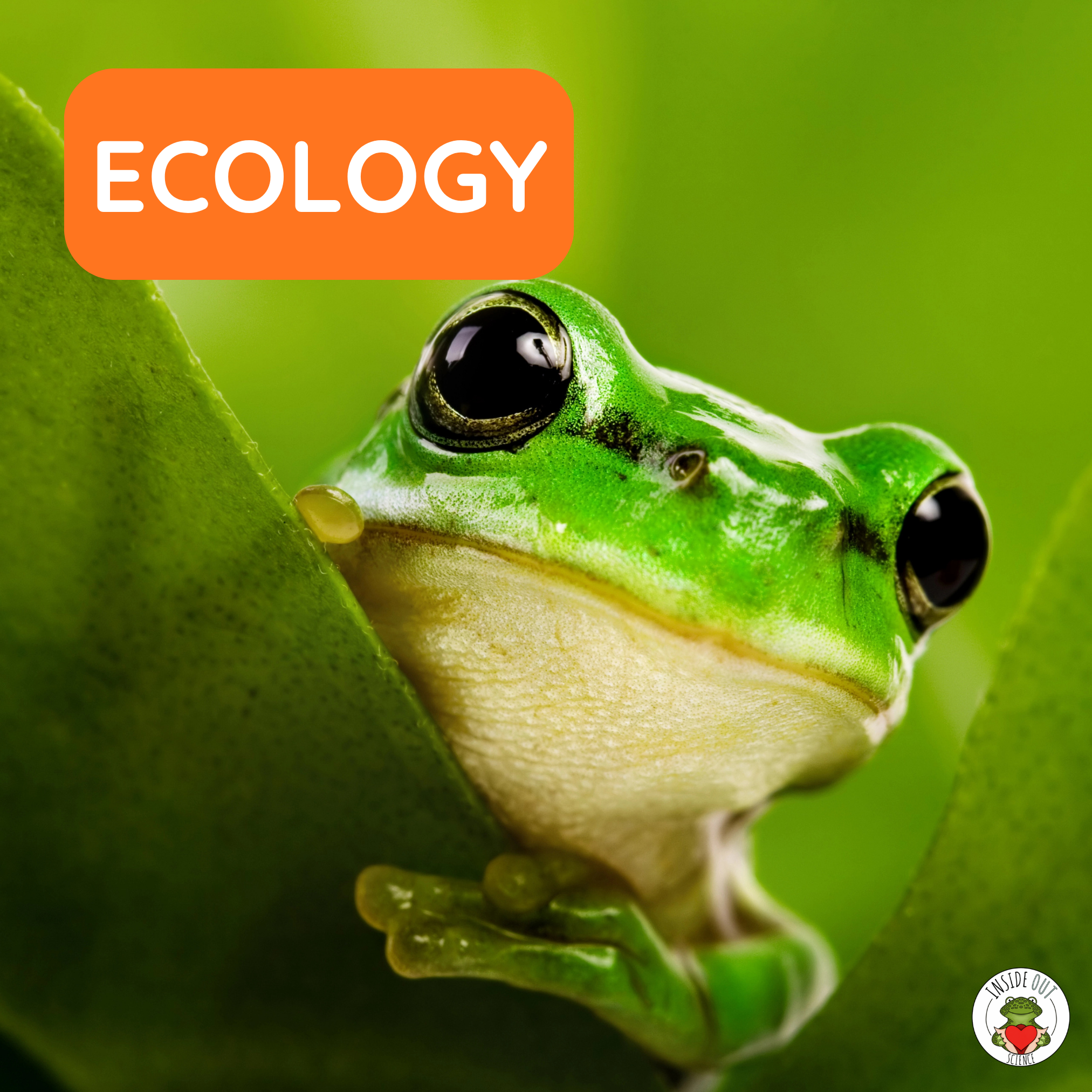
Ecology

How do all of these things work together? Models are great tools for exploring habitats and exploring an organism’s role in various ecosystems.

⭐ Food Web Build

  • For each model, assign them an ecological role as a producer, consumer or decomposer.

  • Connect each model in a web using string. Add in any other organisms that might fit into the food web.

⭐ Habitat Match-Up

  • Create habitat cards showing various places where organisms can live.

  • Provide students with models and have them examine them, noting various traits that may indicate where they might need to live.

  • Have students match the models to each habitat based on their adaptations and present to the class why they made their choices. 

⭐ Model Ecosystem Mapping

  • Provide each group of students with a model and a large sheet of chart paper divided into three labeled sections: trait (from the model), function (what it does for survival), and the ecological connection (how it affects the ecosystem).

  • Have students choose at least three traits from their model to list on their sheet (ex. frog: moist skin, lungs, hind legs)

  • Students then identify the function of those structures and then brainstorm how that functions matters in the ecosystem (ex: moist skin – gas exchange – must live in moist environments – indicator of ecosystem health).
  • Once they have their ideas, they’ll populate their chart paper and then come together with other groups to create a master “map” showing how different organisms’ anatomical traits connect to the balance of the overall ecosystem.   
Incorporate dissection models into your everyday life science learning... www.insideoutsci.com

Why This Works

A lot of life science is unfortunately memorizing facts about living things, and sometimes that info just doesn’t stick. By combining hands-on 3-D models with core science topics, students get a multi-sensory learning experience that builds both their content knowledge and their curiosity. They aren’t just memorizing — they’re investigating, connecting, and thinking like scientists. It’s a win-win.

Ready to take your life science curriculum to the next level? Come explore the collection of eco-friendly paper dissection kits at the Inside Out Science store and bring your lessons to life — one fold at a time.

The best lessons come from the inside out... www.insideoutsci.com

Which Direction?: Navigating Anatomical Terminology for Any Grade Level

Which Direction?: Navigating Anatomical Terminology for Any Grade Level

Cranial is to head as caudal is to ________? If you’ve ever tried to explain anterior vs. posterior or superior vs. inferior to your kiddos and got blank stares or fingers pointing in a million different directions, then this blog post is for you. Teaching anatomical terminology doesn’t have to feel difficult – it can actually be interactive, engaging, and tons of fun. Whether you’re working with elementary students or high schoolers, the key is to make it relevant and get them moving, pointing, and practicing.

Why Teach Anatomical Directions?

Anatomical directions are the compass of biology and anatomy, setting the tone for learning the orientation of organs and appendages as related to the body and giving students a precise way to describe where things are located — something that is especially important when they move into dissections, medical science, veterinary studies, and even sports medicine. By teaching these terms early (and in a hands-on way), you’re setting them up for success in higher-level life sciences in college.

Which direction? Teach your students anatomical terminology with these fun activities from Inside Out Science! www.insideoutsci.com

the Best Practices for Teaching Anatomical Directions

  1. Have Students Start With Their Own Bodies
    The best learning tool in the room is a body, so why not have students practice on themselves! Instead of jumping straight to diagrams, let them practice terms by pointing to their own body parts.
  2. Go Back to Your Roots
    Your root words, suffixes and prefixes, that is. I can’t stress enough about making connections to vocabulary in science, and especially when it comes to medical terminology. Learning or reviewing prefixes, suffixes and root words is especially helpful for when students encounter a word they don’t know, that base knowledge will help them figure it out. 
  3. Keep It Consistent
    When talking about directions, you should always reference the body in anatomical position – so standing upright, facing forward, palms out – so that students will always make the connection to their anatomical “compass” and avoid confusion when left/right orientations get tricky. 
  4. Make It Physical
    Learning is always more effective when students can move their bodies. Be sure to incorporate gestures, games, and even silly gestures to reinforce vocabulary. 

Activities to Make It Fun

1. Simon Says: Anatomy Edition

A twist on the classic game where one person gives directions using the command “Simon Says” while the others listen to follow the right directions. For this game. your students will stand up and listen for anatomical directions to describe their different movements. Make it your own by saying “Mr./Mrs./Miss ____ says”. Here’s a few examples to get your brain thinking… 

  • “Simon says touch your superior hand.”

  • “Simon says point to your distal toes.”

  • “Simon says touch your hands to your cranial region.”
  • Mix in both correct and tricky commands (like using non-anatomical words) to keep them sharp.

2. Partner Directions Challenge

Pair students up: one student is the Model standing in anatomical position (feet together, facing forward, arms at sides, palms out), while the other student is the Navigator giving instructions about the Model’s body using anatomical terms. The Model will respond to the navigator by pointing to or touching the correct body part on themselves. After 2–3 minutes, have students switch roles. The navigator can use prompts like…

  • “Point to the anterior side of your arm.”

  • “Touch the lateral side of their leg.”

  • Make it trickier by mixing terms: “Point to your posterior inferior leg.”

3. The Pickle or Gummy Bear Dissection

For a low-stakes, budget-friendly intro to anatomical directions, use a pickle, gummy bear, or a student-made clay model. Introduce students to dissection tools by having them “dissect” their “body” and then have them draw and label a diagram of it using the correct terminology. This activity helps to bridge the gap between abstract vocabulary and real-life application.

4. Human Compass

This activity will have kids moving all over your classroom. Clear an open space in your room, or take it to the gym or even outdoors. Create posters with the anatomical terms on them – Anterior, Posterior, Medial, Lateral, Proximal, Distal, Superior, Inferior – and then use the posters to label your walls (Front wall = Anterior, Back wall = Posterior, Right wall = Lateral, Left wall = Medial, etc.). You can also hang Superior (ceiling) and Inferior (floor sign) to add some challenge to the activity. Students start by standing in the center of the room.

When the teacher calls out an anatomical term (e.g., “Anterior!”), students quickly walk (or jog) to the wall/sign that matches the term. Once everyone is in place, the teacher reviews to ensure understanding. 

Introduce your kiddos to dissection with... PICKLES!</p>
<p>www.insideoutsci.com

🎶 Mix it up with these fun variations:

  • Add Music:
    Play music while students walk in place at the center. When the music stops, you call out a term and the students must rush to the correct wall.

  • Elimination Style:
    If a student goes to the wrong wall, they have to sit out until the next round. (Or give them a “second chance challenge” question.)

  • Student Leaders:
    Let students take turns calling out the terms for their classmates.

  • Combination Commands (for your challenge students):
    Call out two terms: “Posterior and Inferior!” Students have to crouch near the back wall.

  • Quiz Mode:
    Instead of the vocab term, give a description:

    • “Toward the midline of the body” → students must go to Medial.

    • “Farther from the trunk” → students must go to Distal

5. Anatomy Charades

Just like regular charades, but anatomy style. In this activity, students act out movements using anatomical directions. Students must act out the term they are illustrating, while other students guess what term they are demonstrating. For example…

  • Pretend you’re moving your arm laterally.

  • Show a distal movement with your foot.


Making It Age-Appropriate

Differentiation is key. Make sure that the activities you use for your classroom are relatable to the student population you teach. Here’s some tips to ensure you’re keeping it on the level with your kiddos:

  • Elementary: Stick with simple directional words (front/back, top/bottom, inside/outside) before layering in the Latin-rooted terms.

  • Middle School: Introduce the formal vocabulary, but keep it playful with lots of kinesthetic activities and be sure to learn or revisit roots, suffixes and prefixes.

  • High School: Expect more precision — incorporate anatomical models, dissections, or diagrams alongside movement-based activities.


Final Tip: Keep It Moving

Your kiddos will remember anatomical terms best through relevance and application, not so much from reading them off a worksheet. Turn your classroom into a lab, a game board, or a dance floor, and you’ll be heading in the right direction.

The best lessons come from the inside out... www.insideoutsci.com