

Learn from the Inside Out

How to Prepare Students for Their First Frog Dissection (Without the Stress)
For many middle school students, their first frog dissection is one of the most memorable science experiences they'll ever have. It's exciting. It's fascinating. It's probably the most talked about activity coming into 7th grade (at least it was for my kiddos). And...

Differentiating Dissection Instruction
Dissection days can spark excitement and curiosity, inspire future scientists, and bring life science concepts into scalpel sharp focus. But for some students, these activities can also present lots of barriers. Whether those barriers are physical, emotional, sensory,...

What’s the story behind Inside Out’s Morris the Frog?
Every logo tells a story, and Inside Out's happens to be a story about a little green frog named Morris. You see, Morris isn't just a mascot, he's also on a heroic mission. Just like Clark Kent becoming Superman, Morris shows the humanity behind the dissected...
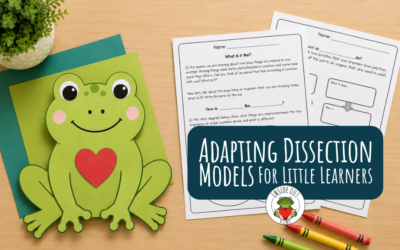
Adapting Dissection Models for Little Learners
Inside Out Science's 3-D Scienstructable™ paper models (formerly Getting Nerdy) might be designed for middle and high school students, but with a little creative scaffolding, they can become a powerful and engaging learning tool for younger scientists, too. Elementary...

The Value of Dissection & Why Humane Options are Just as Effective
For so many students, the word dissection sparks a mix of curiosity AND apprehension. Whether it’s frogs, fish, or organ specimens, the practice has been a staple of science classrooms since the dawn of the scalpel - but is dissection really necessary when it comes to...
5 Ways to Manage the Mayhem: Dissection Day Best Practices
Ready to bring your anatomy labs to life without turning your classroom into chaos central? Dissections can be a total win for teaching comparative anatomy to middle and high schoolers. They are always blown away when they realize how closely animals’ parts mirror...

Hands-On Anatomy Without the Mess: Paper Dissections for Every Classroom
I know... I've been where you are. You want to give your students the excitement of a real dissection — minus the budget headaches, chemical smells, and risk of finding a stray specimen part under a desk three days later thanks to the chaos of dissection days. That's...
21 Tips for Using Dissection Models with Every Life Science Topic
Learning about living things should feel just like the things you are studying... "alive". Activities should be hands-on, not just flat on a worksheet, and they should always aim to demonstrate the interconnectedness of science. With roots in Getting Nerdy, Inside...

Which Direction?: Navigating Anatomical Terminology for Any Grade Level
Cranial is to head as caudal is to ________? If you’ve ever tried to explain anterior vs. posterior or superior vs. inferior to your kiddos and got blank stares or fingers pointing in a million different directions, then this blog post is for you. Teaching anatomical...